

We’ve all been there—staring at the barbell between sets, feeling the anxiety creep in. No matter how many times we play our favorite hype song, doubts start to rise. Our heart races, and we overhype ourselves to the point where we rush through the setup, changing things just enough to throw it all off.
Whether we’re beginners or seasoned athletes, we pour so much of ourselves into this sport that the fear of failure can often lead us right to it. We tend to think that a failure, especially if it happens during a critical moment like week 4 of a training block, erases all the hard work we’ve put in up until then.
But here’s the truth: Everyone fails.
It’s how we respond to those failures and what we learn from them that matters. Before we can visualize success, we need to reframe how we think about failure. We need to see every outcome—good or bad—as an opportunity for growth. If things don’t go as planned, we can give ourselves five minutes to process and feel the disappointment, then move forward by using that experience to improve our training.
Now is the time to reflect: Was it a technique issue? A programming problem? Were we too focused on avoiding failure? Or was it just one of those days? Once we identify the cause, we can start making adjustments to move forward and avoid repeating the same mistakes.
So, failing isn’t the end of the world. It’s part of the journey.
How Can We Perform Better Using Visualisation?
Mental control begins with a decision. The moment negative thoughts creep in, we must consciously interrupt them and replace them with memories of past successes. Using mental imagery—remembering exactly how the barbell felt when we nailed a lift—and positive self-talk are powerful tools to refocus our minds.
We must truly believe that we have what it takes to lift whatever weight is in front of us. One effective way to do this is by practicing “imagineering,” which involves mentally rehearsing how we want things to go before a heavy training session or competition. By visualizing success ahead of time, we can enter the moment with confidence and clarity.
Visualisation in powerlifting is more than just imagining the successful completion of a lift—it’s about walking through the entire process, from setting up at the bar to the final rep. It can start with a detailed mental rehearsal of the lift:
- Visualise the setup: Picture yourself walking up to the barbell. Visualize your feet planting firmly on the ground, your grip tightening, your back setting into position, and your core bracing. Every small detail matters. Your mind needs to create a mental image of these movements to solidify proper technique.
- Imagine the lift: Picture yourself lifting the bar with perfect form. Focus on feeling the right amount of tension in your muscles, how the bar feels in your hands, and how your body moves smoothly through the lift. Imagine yourself succeeding without hesitation or doubt. The more you can mentally rehearse this process, the more your body will be prepared to carry it out when it’s time.
- Overcome the challenges: Visualization isn’t just about success; it’s about preparing for the mental and physical challenges that may arise during the lift. Imagine yourself handling the struggle in the middle of a difficult lift, maintaining composure and executing the technique under pressure. Visualizing potential obstacles and preparing for them helps reduce anxiety when you face them in real life.
- Mental reset: If things don’t go as planned, visualisation can be key in resetting your mind. Instead of getting lost in frustration or panic, practice visualising yourself calmly analysing what went wrong, learning from it, and mentally preparing for the next attempt. By seeing yourself succeed after a failure, you build resilience and improve your overall mindset.
By repeatedly imagining yourself performing the movement perfectly, you’re essentially “training” your nervous system to move more efficiently. This is especially helpful in powerlifting, where precise movements and technique are critical for maximising strength output and preventing injury.
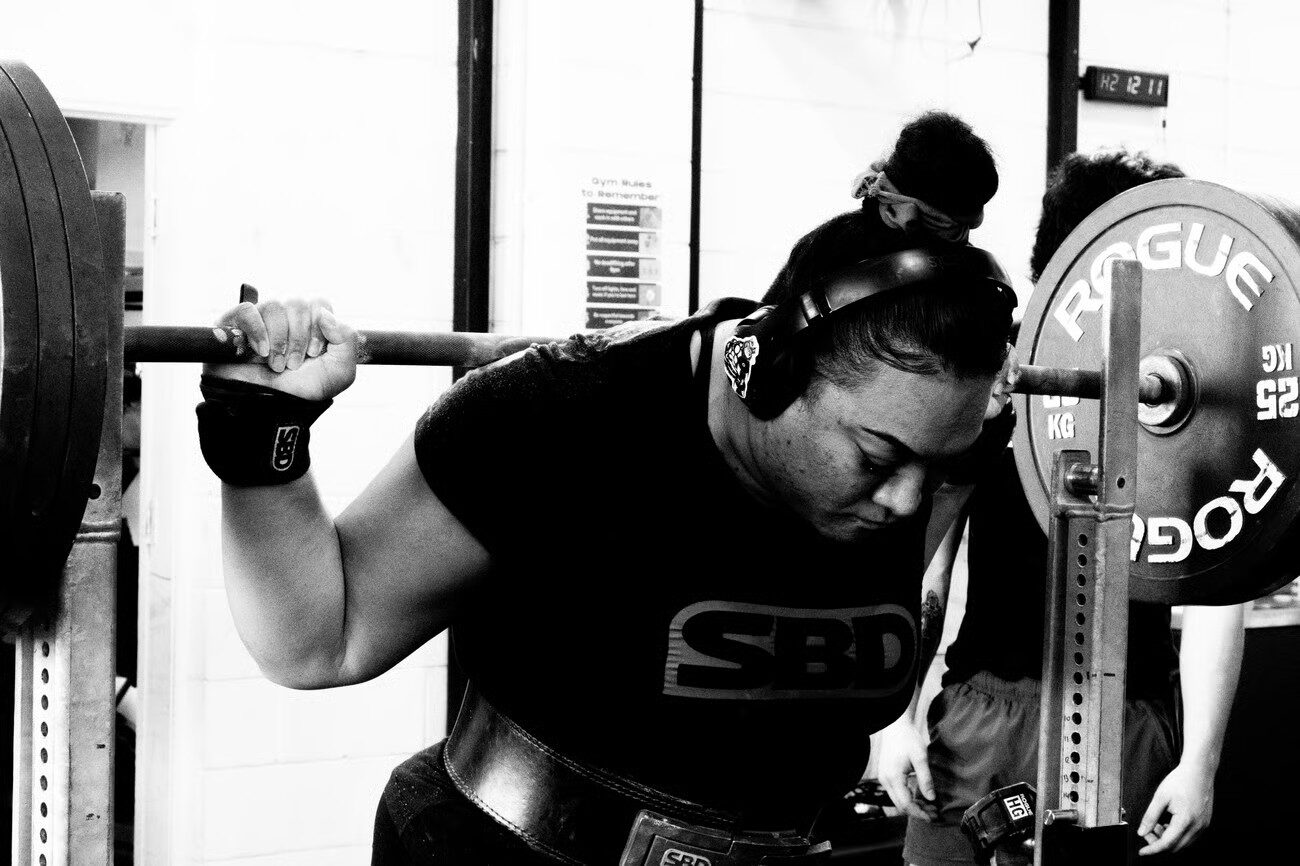
Another powerful visualisation tool is pre-lift routine visualisation. Before every training session or competition, take a few quiet moments to go through your pre-lift routine mentally. This includes the steps you take to set up, warm up, and prepare for the lift. By consistently visualising your routine, your body will associate the mental preparation with physical readiness, allowing you to approach each lift with a calm, focused mind.
Visualisation can also aid with the mental aspects of competition. When preparing for a meet, the pressure and nerves can be overwhelming. But if you’ve practiced visualising the environment—hearing the crowd, dealing with the pressure of the clock, and performing in front of others—you can walk onto the platform with more confidence and control. You’ve already “been there” in your mind, which makes the real experience less intimidating.
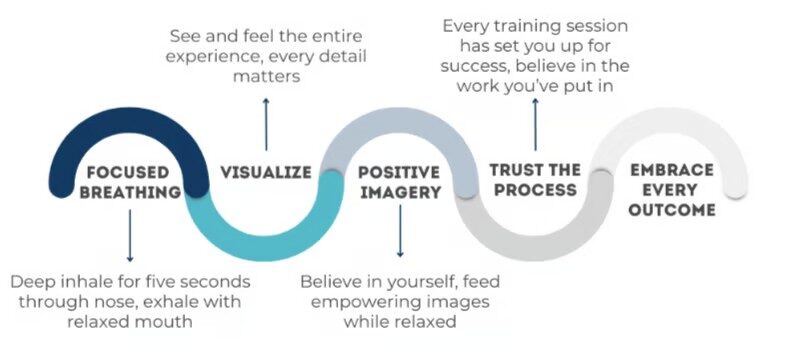
In the end, visualisation is not a magic fix—it’s a tool that, when used correctly, can enhance your powerlifting performance by helping you mentally rehearse, reduce anxiety, and improve technique. It’s about creating the mental space to succeed and giving your body the clarity it needs to perform under pressure. The more you practice, the more you’ll find that your mind and body are in sync, allowing you to lift not just heavier weights, but to lift with a greater sense of confidence and control.