
Does Powerlifting Training Need Arm Work? Absolutely!
When powerlifting training is mentioned, we rarely think about how beneficial it is to train our arms. Instead, our minds usually go to “I love deadlifts,” “Squats are my favourite,” or “I love benching every day.”
However, if your training doesn’t include some form of targeted arm work, you’re either an advanced athlete specialising in a highly specific approach, or you’re selling yourself short on progress.
A Quick Overview of Arm Anatomy
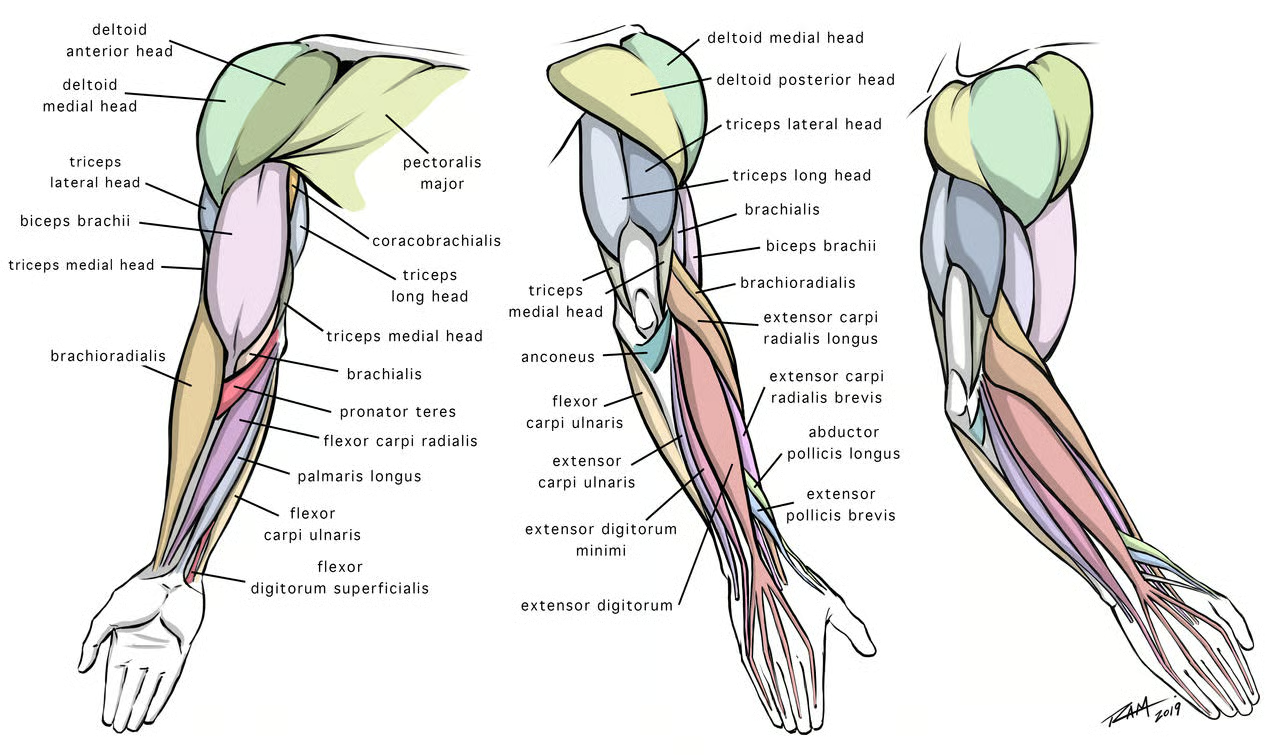
To understand why arm training matters, let’s first look at some key muscles of the arm and shoulder and how they impact movement:
- Biceps. Responsible for flexion and supination of the forearm. They support the forearm when lifting and contribute to shoulder stability, especially during bench press.
- Triceps. Essential for arm extension and pronation. All three tricep heads contribute to extending the arm and stabilising the shoulder.
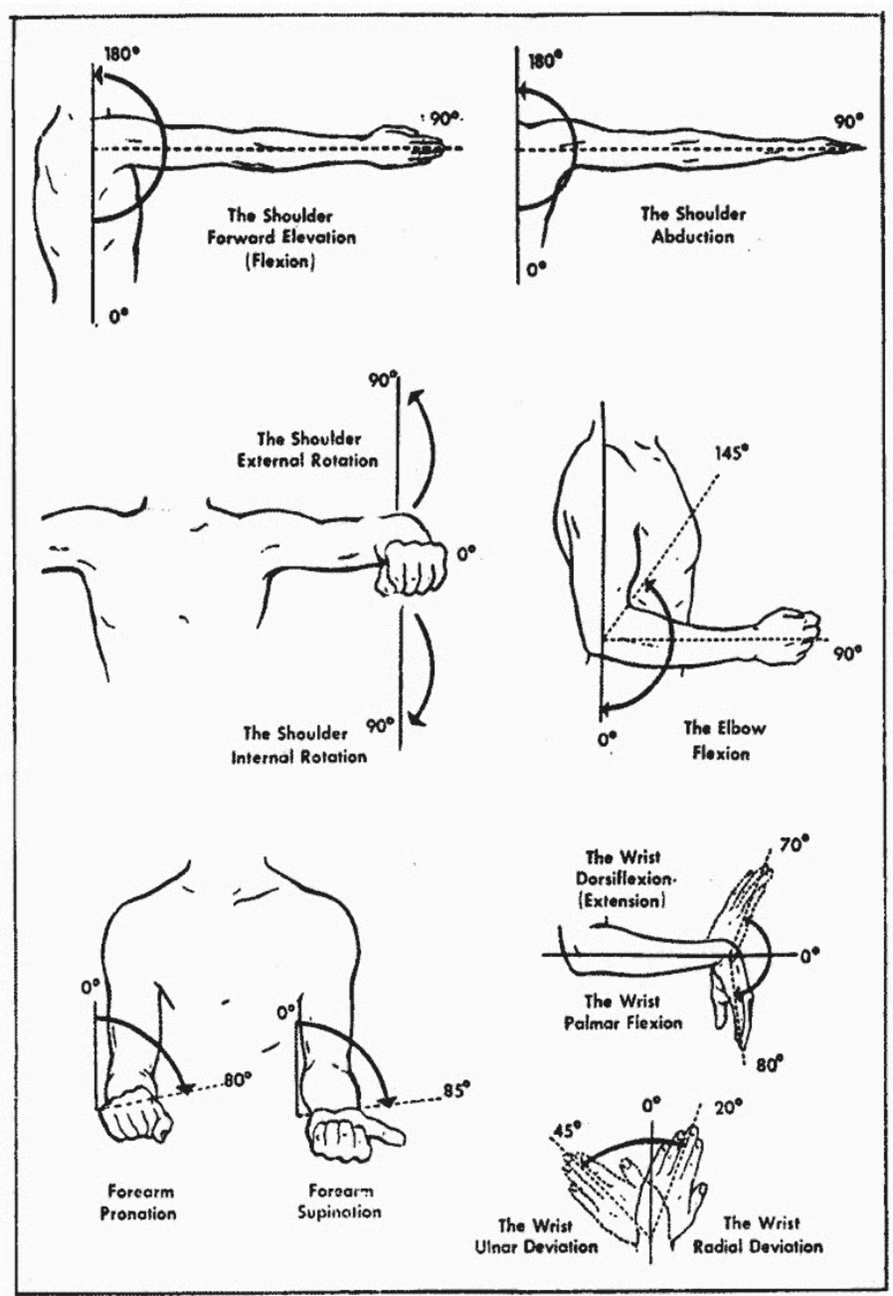
- Rotator cuff. Made up of four muscles (supraspinatus, infraspinatus, teres minor, subscapularis) that provide stability and strength to the shoulder. They facilitate external rotation, abduction, and internal rotation.
- Delts. Made up of three heads (posterior, middle, anterior), which assist in various shoulder movements. The rear delts aid in horizontal extension, the anterior delts assist in shoulder flexion and adduction, and the lateral delts contribute to abduction.
- Forearms. Made up of both flexor and extensor groups, these muscles control wrist flexion and extension. They’re crucial for grip strength, forearm rotation, and elbow stability.
Why Is Arm Training Important?
Now that we understand what these muscles do, let’s explore why training them is essential for powerlifters.
1. Maintain or Restore Range of Motion
Powerlifting naturally compresses the body, which is a normal part of the sport. However, targeted arm training can help restore or maintain your range of motion, keeping lifting pain-free and enjoyable.
For example, if you’re struggling to bring the bar to your chest during bench press, it could indicate a loss of mobility. A useful solution might be pairing wide-flared rows with tricep cable kickbacks. Both replicate the bench press pattern while improving the range of motion you need.
2. Stronger Arms Improve Compound Lifts
If you’re having trouble with bench press lockout or grip strength in deadlifts, strengthening your arms can help.
- Training your triceps will improve bench press lockout.
- Strengthening your forearms (e.g. through farmer’s carries) will improve grip endurance for deadlifts.
These small additions to your program can translate into significant improvements in your main lifts.
3. Reduce the Risk of Injuries and Niggles
Just like any other muscle group, your arms need proper training to keep your joints functioning smoothly. Keeping muscles strong and maintaining a good range of motion can reduce the risk of injuries and minor aches (“niggles”) that could otherwise impact your performance.
Final Thoughts
Integrating arm training into your powerlifting program is a simple yet effective way to keep your joints healthy, improve performance, and minimise injury risk.
If you need help achieving your goals, reach out to our team. Our online coaching builds accessory arm work into programming around your specific lifts.
Build arm work into your actual program
Accessory work that supports your squat, bench and deadlift, not generic bicep curls.