
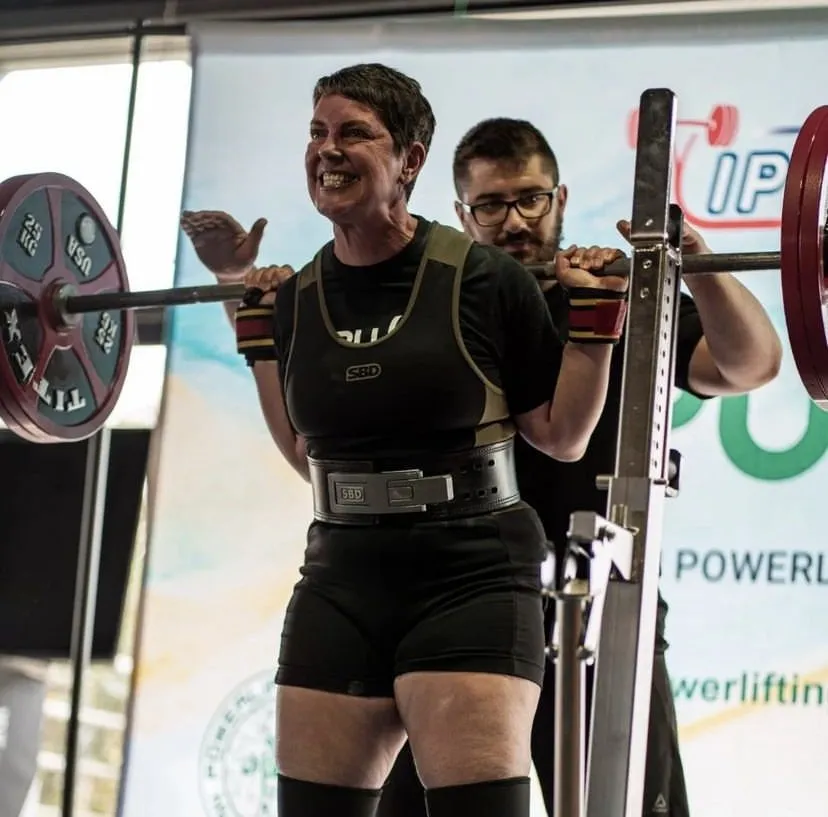
In this edition, I’ll once again be sharing more tips and tricks to add to your gameday arsenal. This is a continuation of Part 1, so take a look if you haven’t already. Otherwise, let’s get started!
Tips
1. Be reactive
In the last post, we covered win conditions and targets. While they may be objective numbers to hit, certain win conditions include pulling for the win or forcing your competitor to miss. We can’t just look at the people we’re chasing, we need to keep an eye on the people chasing us from behind. Understanding that we could be overtaken while chasing someone else adds depth to the competition, and being reactive is of utmost importance to rise to the occasion.
2. Know your surroundings
This is a very broad spectrum, from nailing the basics like the best rack to use and rest timings, to the nitty gritty details like figuring out your competitor’s warmup and attempt jumps. Having a good understanding of your surroundings, and not just hyperfixating on your lifter, can give you a distinct edge in competition.
3. Compartmentalise and simplify
There will be a lot of information to take in, but not all of it is necessary. Identify what you need before the start of the meet, and clear out all the unnecessary noise. Doing so can stop you crumbling under pressure or making a misstep in your thought process. In powerlifting meets, where coaches need to make split-second decisions, this separates the good coaches from the great.
Myths
1. You need to oversee every single need
The basics, like refeeding and rehydration, can be overseen for beginners, as they don’t have experience competing and need guidance. Experienced lifters can function with autonomy, while the coach focuses on timing and loading warmups as well as the actual gameday coaching. However, this varies from individual to individual, and it’s good to discuss it before the meet begins.
2. Attempt selection should only be done by the coach
Similar to the first myth, who selects the attempts should be agreed before the meet. Some coaches prefer to be collaborative, while others prefer to have the final say, as the lifter could be too neurotic on the day. Working out the best way to work with your athlete on meet day will produce the best results, because your athlete will feel backed by you.
3. You need to cue your lifters
Unless the lifter asks for it, the coach should trust the lifter to execute to the best of their ability. Cueing can be useful if the lifter misses a lift on technicalities, but that decision once again goes to the lifter. The work has been done during their prep, and we need to create an environment for them to lift their best in. Cueing too much can cause overstimulation and information overload, and a good intention can backfire.
Conclusion
Gameday success in powerlifting is built on a foundation of strategy, adaptability, and clear communication between coach and athlete. We’ve covered key tips like being reactive to your competition, understanding your surroundings to gain an edge, and simplifying information to avoid overwhelm.
We’ve also debunked some common myths about gameday coaching, with an emphasis on collaboration, autonomy, and trust between you and your lifter. By applying these principles, you can navigate competition day with confidence and set yourself and your athlete up for sustained success. Whether you’re refining your gameday approach or just starting out, every competition is a valuable learning experience that contributes to your growth as a coach and a lifter.
Want meet-day strategy handled for you? It’s part of our online powerlifting coaching.
Prep your gameday strategy in advance
Meet-day planning is part of our coaching, not an afterthought.